
Spring!
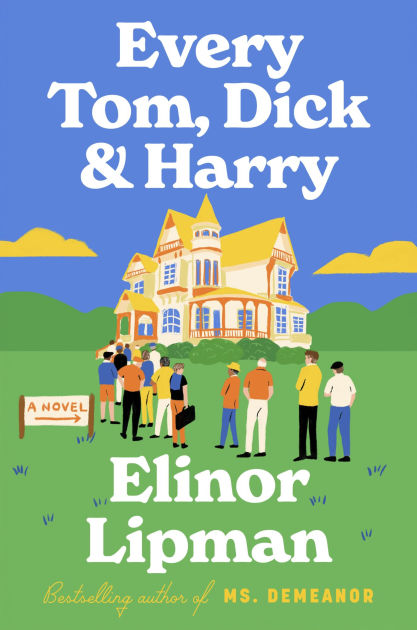
Humorous and witty, this contemporary novel has the zaniest plot of any book I’ve read since The Husbands by Holly Gramazio. Every Tom, Dick & Harry is set in small-town Harrow, Massachusetts, with a large ensemble cast like Amy Poeppel’s novel The Sweet Spot.
Emma Lewis has been involved with her parents’ estate sale visit for years, but is startled to have their business, and her childhood home, left to her when they retire to Cape Cod. Also, Emma gets a boarder to help with expenses, her dad’s recently widowed friend, Frank. Frank was also Emma’s algebra teacher.
Frank and Emma both start dating, but not each other. Emma is quietly seeing the new chief of police, Luke, while Frank is dating Luke’s widowed mother, Connie. Frank also adopts a cute dog, Ivy, and helps out with the estate sales. Emma is trying to get a contract to hold an estate sale at Quail’s Nest, a mansion and former B and B in town. The house is chock full of classic estate sale items, from an espresso machine to Persian rugs to bikes, a lawn mower, and lots of silver. Then she learns that an escort service was run out of the mansion’s attic, and the family is not at all shy about their former business.
Emma’s parents come back to help with the sale, which definitely does not go as planned. Emma and Luke, meanwhile, are helping plan their 15th high school reunion, while still pretending they’re not dating. Add in some stolen art, a very ugly statue, and Frank’s stepdaughters to round out the wild plot. I’ve read Lipman’s books On Turpentine Lane and Ms. Demeanor, and there are many more titles for those looking for quirky, upbeat, and witty reads.
Brenda
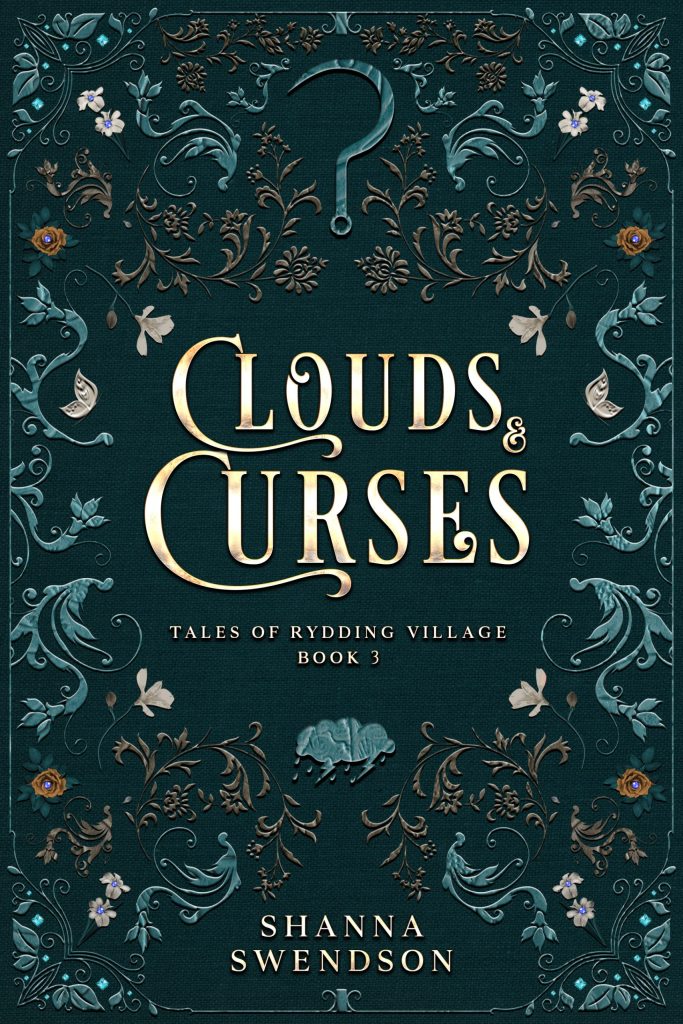
Readers of cozy fantasy novels set in small villages will enjoy the Rydding Village series. In this novel, Ceri, Lady Parcells, comes back home after many years with her daughter, Lili. Ceri’s husband has died and left everything to his children from his first marriage. Ceri’s mother, Mistress Teague, is the most disliked lady in Rydding, and is a complete snob. Ceri was in love with Daryn as a teen, but her mother persuaded her to marry an older nobleman.
Ceri and Lili have an affinity for animals, and bring their cat and dog with them. Ceri can calm horses, though she doesn’t believe in magic. There is some mystery in Rydding. Lights are seen in the distant castle, but no one is ever there. The harvests the past several years seem to be cursed, with rain falling at the worst times. Wyn, the healer who runs a tea shop is slowly starting a romance with Bryn, who runs the small inn and studies magic. Mair, who runs the dairy and sells cheese, is not happy that Ceri is back in town, but Wyn, a newcomer, is more understanding. Ceri actually apologizes for her past mistakes.
Ceri meets Daryn again, and there are definite sparks. Could he still care for her after all these years? Together, the villagers try different methods to harvest the hay and wheat and save the crops. Ceri learns that she can stand up to her mother, especially concerning Lili’s future, and becomes more connected to the village. Some storylines have satisfying conclusions while others will be continued in the next Rydding Village book. The first novel is Tea and Empathy.
Brenda
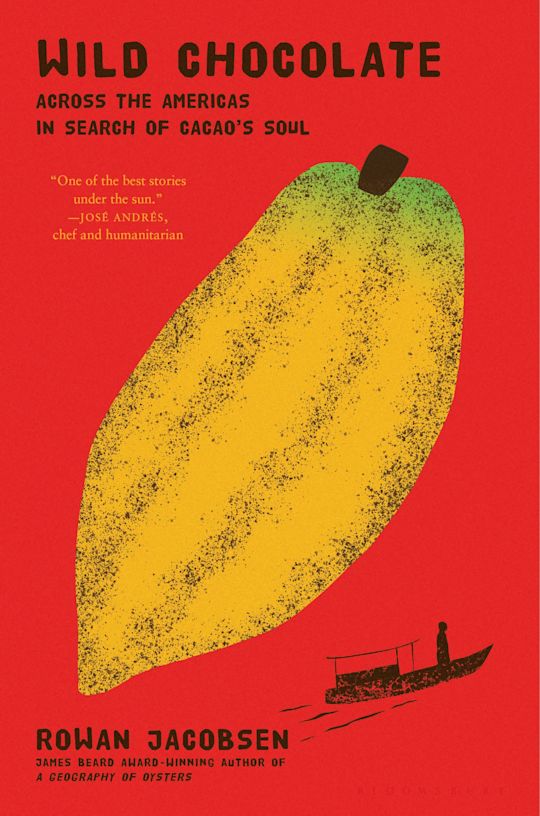
This is a fascinating combination of history, travel, agriculture, and chocolate. Traveling as part of a team with the Heirloom Cacao Preservation Fund, Rowan travels to southern Mexico, Belize, Guatemala, Brazil, and Bolivia in search of the best cacao varieties and beans and to meet the farmers and the people working to get their beans from farm to factory to table. There are varieties of cacao beans most of us have never heard of or tasted, such as Criollo.
Rowan makes many journeys by bus and down creeks and rivers, sleeping in hammocks, getting bitten by ants, mosquitoes, and gnats. He learns about challenges of collecting freshly harvested cacao pods and along with farmers, how to dry, sort and ferment cacao beans, and then getting them shipped to a city or another country to be made into an amazing variety of chocolate bars.
Bean to bar chocolate is more expensive than the mass-produced chocolate, and Rowan explains why, and where to purchase it online, or in a few cities. I haven’t ordered any yet, but did find a single origin bar to try at a local store (not the same as true bean to bar or wild chocolate) and found it to be very complex and tasting of raisins. I didn’t love it, but look forward to trying new varieties of gourmet chocolate.
The author has also written about apples, oysters, truffles, and honey bees in crisis, among other topics.
Brenda
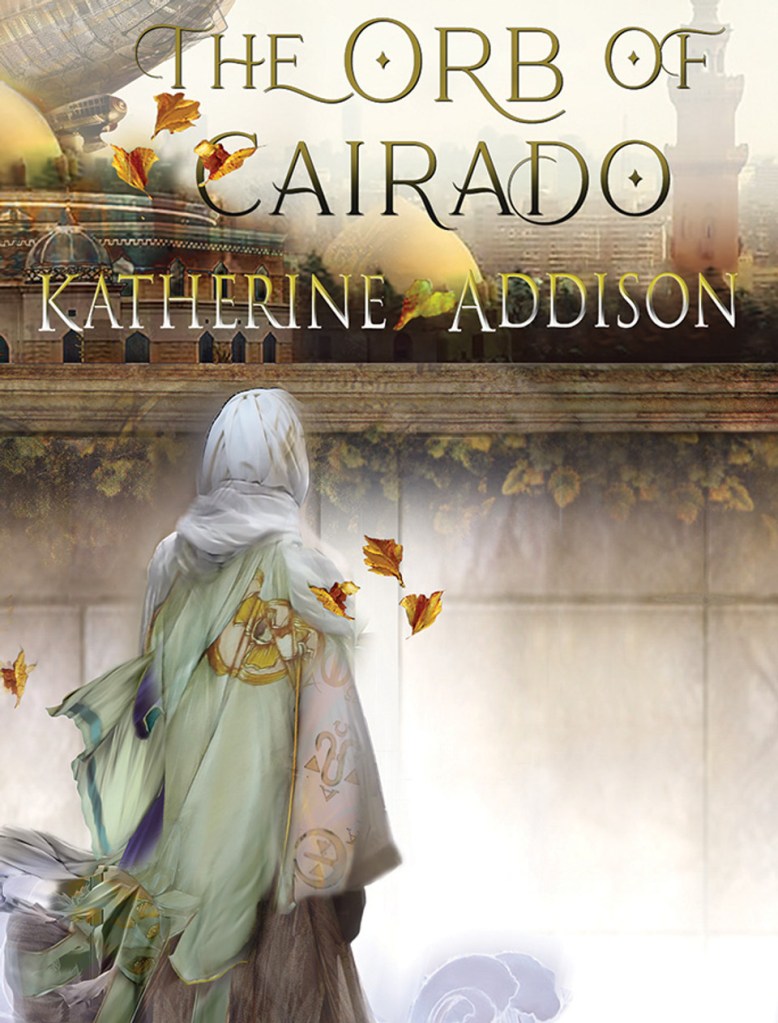
A very welcome novella for fans of Addison’s science fiction, set around the time of The Goblin Emperor, but closer in tone to The Witness for the Dead. Ulcetha Zorvena, a shopkeeper’s son, was a history scholar until five years ago. He was accused of stealing the bejeweled Orish Veltavan from Osmer Bruna Aidrina. Aidrina, a scholar from the University of Cairado, found the object in the ruins of the Summer Palace. Ulcetha is not a thief, though he has spent the last several years writing provenances for fake artifacts.
After the sudden death of a friend, Ulcetha is stunned to find himself traveling to the site of the Summer Palace on an expedition for the ultimate prize, the Orb of Cairado. Faced with difficult choices, Ulcetha keeps trying to steel himself to do the next right thing. A twisty plot, a mix of mystery, adventure and scholarship set on a steampunk world populated by elves, goblins, and half-elves make for a fast-paced read. I really enjoyed the scenes set in the university library, where Ulcetha no longer has a scholar’s access.
This memorable novella has me looking forward to Celehar’s return in The Tomb of Dragons, just published this month. While I read an eBook, Subterranean Press also offers a gorgeous hardcover.
Brenda

Cecily Foster lives in Washington, D.C., and produces podcasts. When offered the chance to host a show that her friend Julie would produce, she’s excited. Her boss Toby even agrees to let her tape a pilot of a podcast she will write. But the new podcast turns out to be Twenty Dates. Eliza Cassidy, an influencer turned life coach, will set up dates for Cecily with 20 suitable men, including a practice date, then arrange follow up dates.
Cecily does get some awesome meals, advice, and men who are okay, but they aren’t her meet-cute guy, Will. Cecily and Will meet four times by accident in her neighborhood, and the first time she helps him catch a large runaway dog, who isn’t even Will’s dog. Eliza does not think Will would be a good match, and discourages her from dating him. Layoffs are threatened at work, and the advertising revenue for Twenty Dates would really help her company. Cecily’s sister Molly is her lifeline when life gets too hectic.
A third of the way through the book I knew who Cecily would choose and wasn’t looking forward to the bumps in the road the author would be sure to put in her way. But Cecily and her podcasting work are quite interesting and there’s enough humor that I happily read through to the triumphant end, which has as much to do with Cecily’s work as it does her love life.
A feel-good read for fans of Emily Henry, Abbi Waxman, Jennifer Crusie and for readers of Evvie Drake Starts Over and Flying Solo, also by Holmes.
Brenda
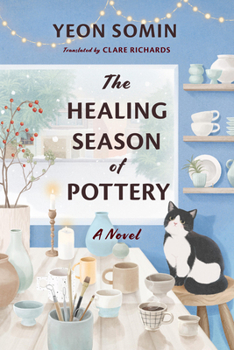
In the past few years, quite a few charming novels have been translated into English from Korean and Japanese. Some are cozy fantasies, others are comfort reads, still others bridge the gap with magical realism. This Korean novel is a comfort read, taking place over the course of a year at a pottery studio not too far from Seoul, South Korea.
Jungmin, 30, has turned into a hermit after she left her stressful broadcast writing job. She just happens upon the studio, and is encouraged to learn to hand-build ceramics, and later to use the pottery wheel. Johee is the ceramic artist who teaches beginners of all ages and mentors Gisik, an advanced student who dreams of opening his own pottery studio by the sea. There is, of course, a cat, who needs a foster home.
Others include Jura, Jungmin’s childhood friend. They are both stuck on some issues from their past, and each seeks forgiveness. There are several other regular characters, and many scenes set in cafés, ice cream shops, and coffee shops, with many untranslated Korean words for food and drink. Other than wishing for a glossary of Korean words and phrases, I thoroughly enjoyed this heartwarming story, with the ceramics studio making for an appealing setting, and including life lessons of patience, perseverance, and building community.
Some of the many readalikes include: The Rainfall Market by You Yeong-Gwang, The Kamogawa Food Detectives by Hisashi Kashiwai, The Full Moon Coffee Shop by Mai Mochizuki, We’ll Prescribe You a Cat by Syou Ishida, and The Dallergut Dream Department Store by Miye Lee.
Brenda
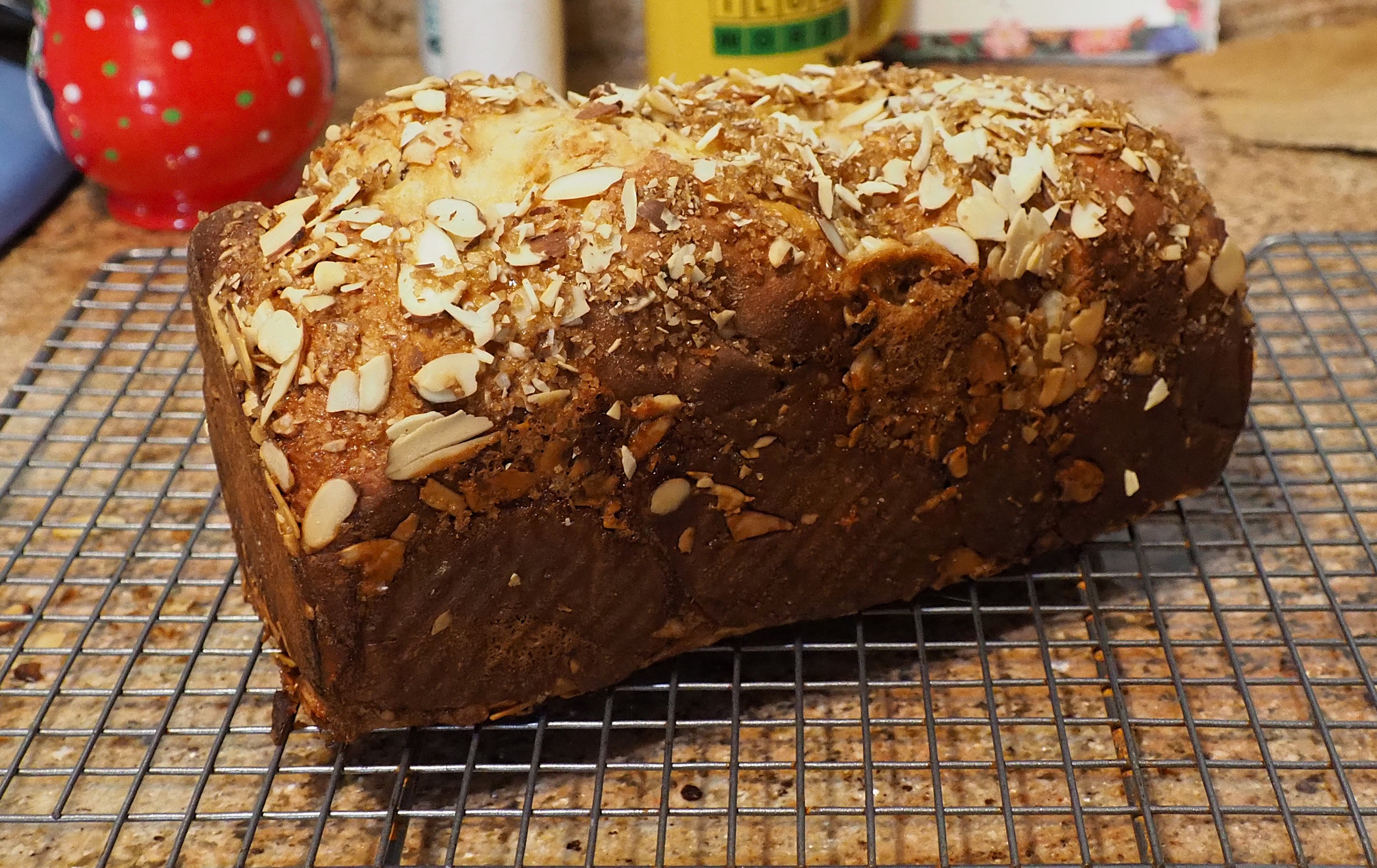

This is the fanciest and tastiest bread I’ve made that I am looking forward to baking again. Medium effort, high reward baking. I started the milk dough after dinner one night, put the dough in the fridge overnight after the first rise, and we were eating the delicious bread for lunch the next day. It also smells wonderful during and after baking. I don’t think there is a big resemblance to croissants, but it’s more of a coffee cake bread. The almond flavor comes from sliced almonds, almond flour, and almond extract. No almond paste or marzipan. Only two eggs are needed, and one stick of butter. Swedish pearl sugar is listed in the recipe, which I’ve never bought, but granulated sugar or turbinado sugar are good substitutes. There is some nonfat dry milk powder in the recipe, but The King Arthur Baking Company Big Book of Breads states that the milk powder is entirely optional. It does take quite a while to mix the soft bread dough in a stand mixer, but the almond filling is easy to make.
This bread also freezes well, and tastes great plain, with butter, jam, or other toppings. I only wish it made two loaves! Isn’t it gorgeous?
The recipes, with excellent step-by-step instructions are freely available on the King Arthur Baking website, here.
Enjoy!
Brenda
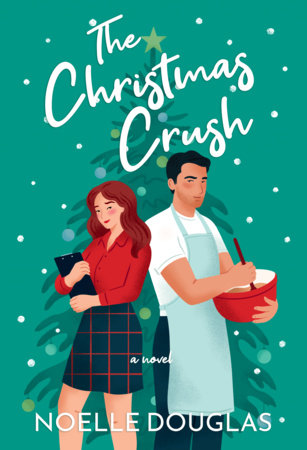
Even as we’re heading into Spring, it can still be enjoyable to listen to a winter holiday romance. This is my favorite from the last couple of years, a first novel by an Illinois author, probably because much of the story is set in a cookie bakery and its new rival. Elena Voss is a vice-president of marketing for Sparkle Cookies. She is very good at her job, but finds it increasingly stressful and would rather be painting, or maybe adopting a cat. Sparkle Cookies has many cookie shops and the cookie dough is mass produced at a central bakery then baked and served by staff. The stores look fabulous, with a lavender color theme, and influencers love the photo ops of the cookies, especially at openings of a new bakery.
Lawrence Higgins, tall and handsome, is fond of his grandma and rather shy. He runs Sweet L’s Bakery in New Hope, Pennsylvania, the location of Sparkle Cookie’s next shop, with a grand opening expected on Christmas Eve. Lawrence’s dog Sugar often comes and hangs out in the office. Lawrence and Elena do not have a meet cute during their first encounter at a town hall meeting, but are soon striking sparks. They meet again at a cookie exchange, and Elena gets to experience a small-town Christmas tree lighting. Elena’s boss is very demanding, though her friend and coworker Priya is great, and she is challenged to make the grand opening a big success.
This is an uplifting and sweet rom-com, not at all a cookie-cutter romance, if you’ll excuse the pun. Lawrence bakes with love, his assistance Carmen is awesome, and the small-town setting is snowy and cozy. Lawrence is a talented baker, as is his grandma, and he can tell that Sparkle cookies don’t use real butter. Is there a way his little bakery can compete with the big chain, and will Elena be a help, or just a rival? Listening to the audiobook narrated by Kim Churchill makes me want to bake lots of cookies or a least visit a local, non-chain bakery to enjoy the wonderful aroma of freshly baked cookies. Pistachio Drop cookies from Sally’s Baking, anyone? Here’s the link: https://sallysbakingaddiction.com/pistachio-cookies/ I look forward to another sweet rom-com from Douglas.
Brenda
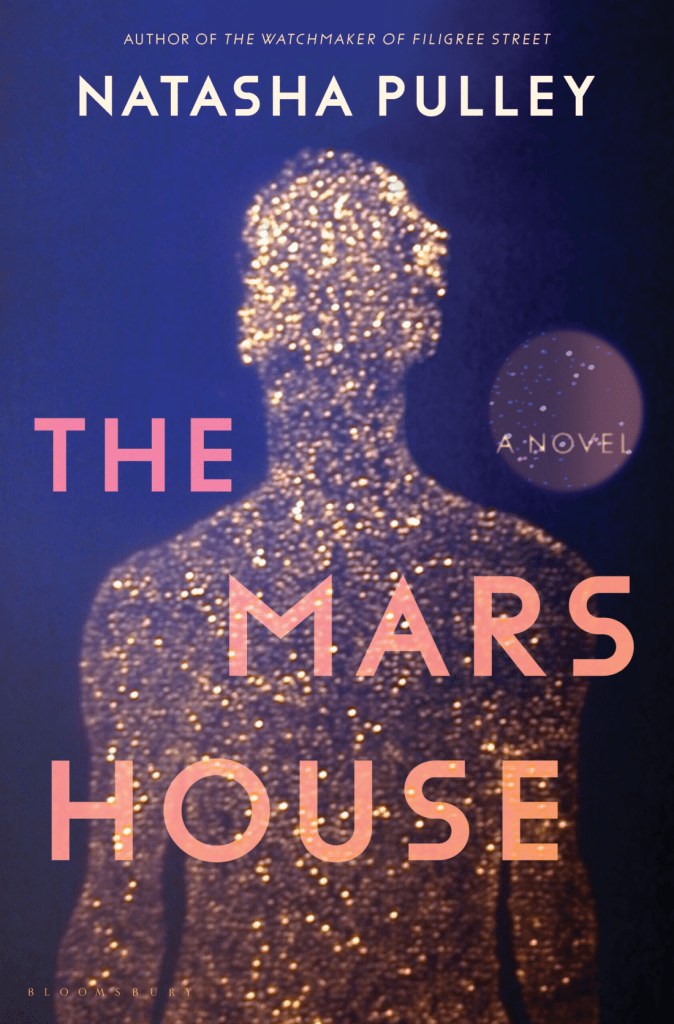
January Stirling is a principal dancer for London’s Royal Ballet until severe flooding has him looking for refuge. When offered a chance to immigrate to the Tharsis colony on Mars, he gratefully accepts. But once on Mars, his employment options are limited to heavy labor, as he is Earthstrong, and must wear a device to keep him from injuring the tall, slender, and frail naturalized citizens, except in his small apartment or while working in a factory. Unwilling to go through a risky naturalization procedure, January is stunned when Senator Aubrey Gale offers him a very unusual job.
While January is male, citizens on Mars, incubated in a uterine replicator, don’t label themselves with a gender. Religion is also not practiced on Mars, though many immigrants celebrate their traditional holidays. Gale is running for Consul, head of the Senate, and needs January to help their image. An unusual dust storm leads to a power shortage and the need to either build a new solar array, with the workers wearing heat suits, or to accept help from China in building a nuclear reactor.
Gale loves linguistics and their aides warn January that Gale will speak on the topic at great length. On Mars, a variant of Mandarin Chinese is spoken, along with some Russian and English. In my favorite part of the book, Gale shares that with technology, they can communicate with a herd of mammoths, who are enormously tall in the low Martian gravity.
The house in the title is huge, and has an indoor bonsai garden, a koi pond, some very high ceilings, and in places a glass floor. January often sees a person who may be a ghost, but who is never mentioned by anyone else. January finds Gale fascinating, even as their views on naturalization are very different, and January is still suffering a bit of culture shock.
Pulley is known for her Watchmaker novels, beginning with The Watchmaker of Filigree Street, which I remember as having elements of steampunk fantasy and time travel. I found that trilogy highly unusual, but excellent. Mars House is wondrous, charming, and unlike any other Mars books I have read.
Brenda
 Book Girl & Little Bear