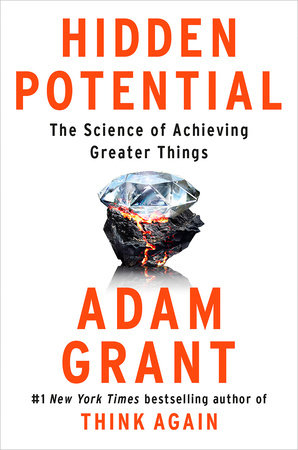
Hidden Potential: The Science of Achieving Greater Things by Adam Grant
Bestselling author Adam Grant is a profession of organizational psychology known for books such as Think Again, and Originals. Full of true stories about athletes, entertainers, a comedian, and chess masters, Grant’s premise is that many successful people don’t have a natural aptitude or early success in their fields. He encourages his readers, especially educators, to step outside their comfort zone, make plenty of mistakes, seek advice for how you can improve, and find ways to make your learning more interesting and fun. Full of engaging anecdotes and quite a bit about successful educational systems in countries like Finland, this practical and clearly written book is broad, but not very deep. Several chapters are intriguing enough to make their own book. Readalikes include books by Malcolm Gladwell, David Epstein, and Charles Duhigg.
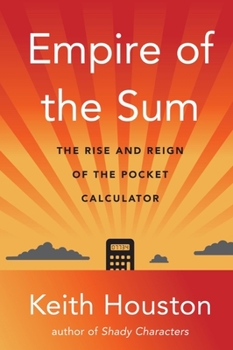
Empire of the Sum: The Rise and Reign of the Pocket Calculator by Keith Huston
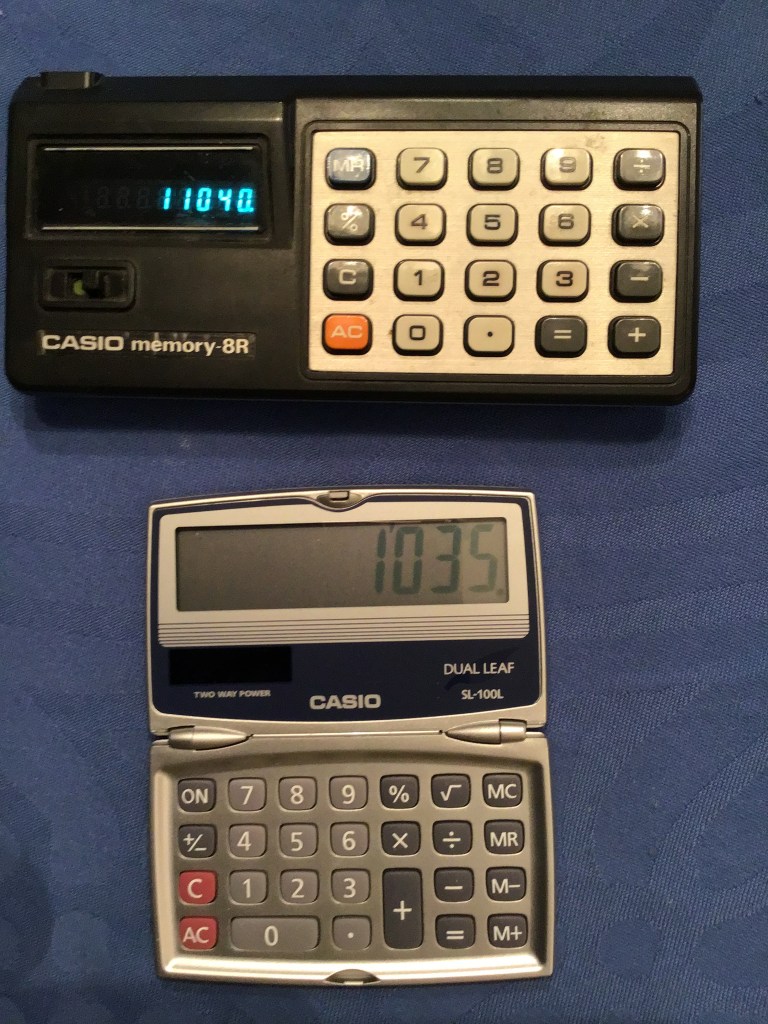
This isn’t just the history of the pocket calculator, but the history of counting, arithmetic, and mathematical calculations. Written for the general reader, I found this microhistory to be interesting and worthwhile, though not a quick read. Complete with illustrations and photographs, I learned about the various ways different cultures have counted by hand, some even including other body parts, such as the sternum, to count higher than 10 or 20. Then tally sticks, clay tablets and markers, leading up to the abacus. My parents had an abacus, but I don’t think any of us knew how to use it, so I was intrigued by the calculations it could do. The slide rule then came along, then very large calculation machines, followed by desk top calculators, like adding machines or early cash registers. The first pocket-size calculator was sold in 1971, and they were quite varied, from gold plate, to a digital watch with a calculator and an early stylus. I never used a graphing calculator, but their 3-inch screens must have been useful for mathematicians and engineers. Then came early financial software like VisiCalc, which helped sell many Apple II computers. Now we use calculators on smartphones and computers, but many pocket calculators from the 1970s and 1980s still work reliably. The Smithsonian National Museum of American History has a number of calculators in their collection, though not always on display, including a Casio Memory-8R, shown below along with another Casio in my home. The challenges of making the machines functional and ever smaller were numerous, and history buffs may enjoy this clearly written book.
Brenda
 Book Girl & Little Bear